ICKUMA
Game Designer
All Projects
Portal Fantasy is a casual pixel-art creature-collecting RPG that blends a rich, epic storyline with modern twists on classic genre mechanics. Players collect and train creatures called Porbles in turn-based battles, navigate trap-filled environments, and uncover the mysteries of the Pyli Kingdom.
I worked as a Level Designer on the project, responsible for the full lifecycle of game levels, from early concept through to final polish and QA. This included building levels in Tiled, designing puzzle layouts and spatial flow, managing game content via JSON, implementing lighting and audio, and iterating based on player testing.
The engine we built Portal Fantasy in was fairly limited in functionality, so simple puzzle elements and level colliders often needed workarounds to behave correctly. Spaces that were too small, or collisions slightly more complex than the engine could handle cleanly, would cause buggy or incorrect behaviour, so a lot of level geometry had to be shaped around those constraints rather than pure design intent. Maps were also frequently redesigned as individual puzzles evolved for difficulty or narrative reasons, and map sizes grew considerably larger than originally planned to accommodate additional narrative beats, NPCs, battles and resource areas.
Puzzle structure shifted partway through into a skill and puzzle hybrid, combining traversal challenges like jumping puzzles and trap sequences with puzzle logic and narrative intrigue. Getting that combination to feel coherent across different areas of the map was one of the more interesting design problems on the project.
What I'm most proud of is the pacing across each map. I aimed to shape and space every area according to its content: traps mostly sit in the transitions between challenge, narrative and battle zones, battle areas are given unique shapes and more open space to work with, and narrative areas are large and accessible enough for players to properly explore NPCs and map-specific props.
Looking back, I think I'd focus more on player hangout spaces, large, comfortable areas built for player interaction rather than pure objectives. Portal Fantasy runs as an online multiplayer game, so spaces built like informal meeting points, somewhere players can gather and chat the way they would in a lobby, would likely help the community form around the game more naturally.
The project is live on Steam and continues to receive updates and new content.
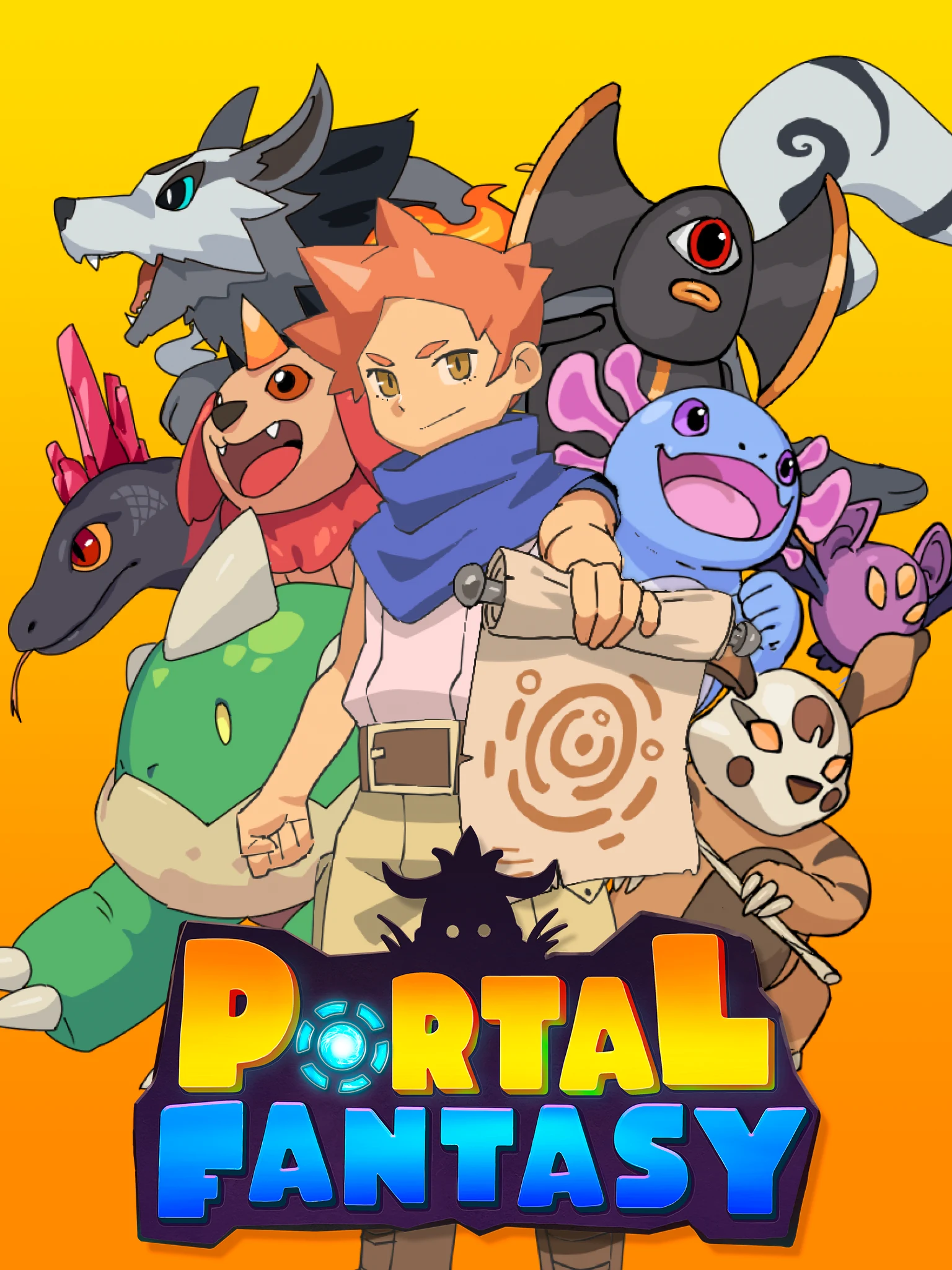
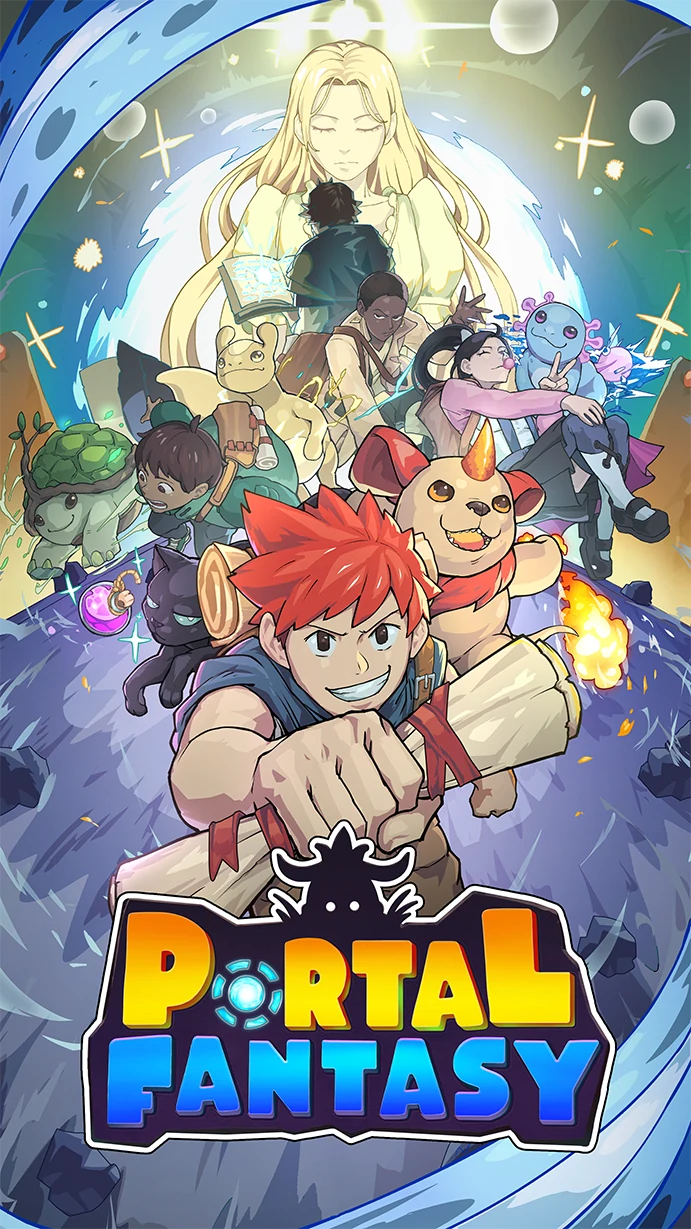
The maps below represent levels I designed and implemented for Portal Fantasy, built in Tiled, balanced for player flow, pacing, and puzzle clarity. Each map went through multiple prototype and polish iterations, including lighting passes, asset integration, and performance optimisation.
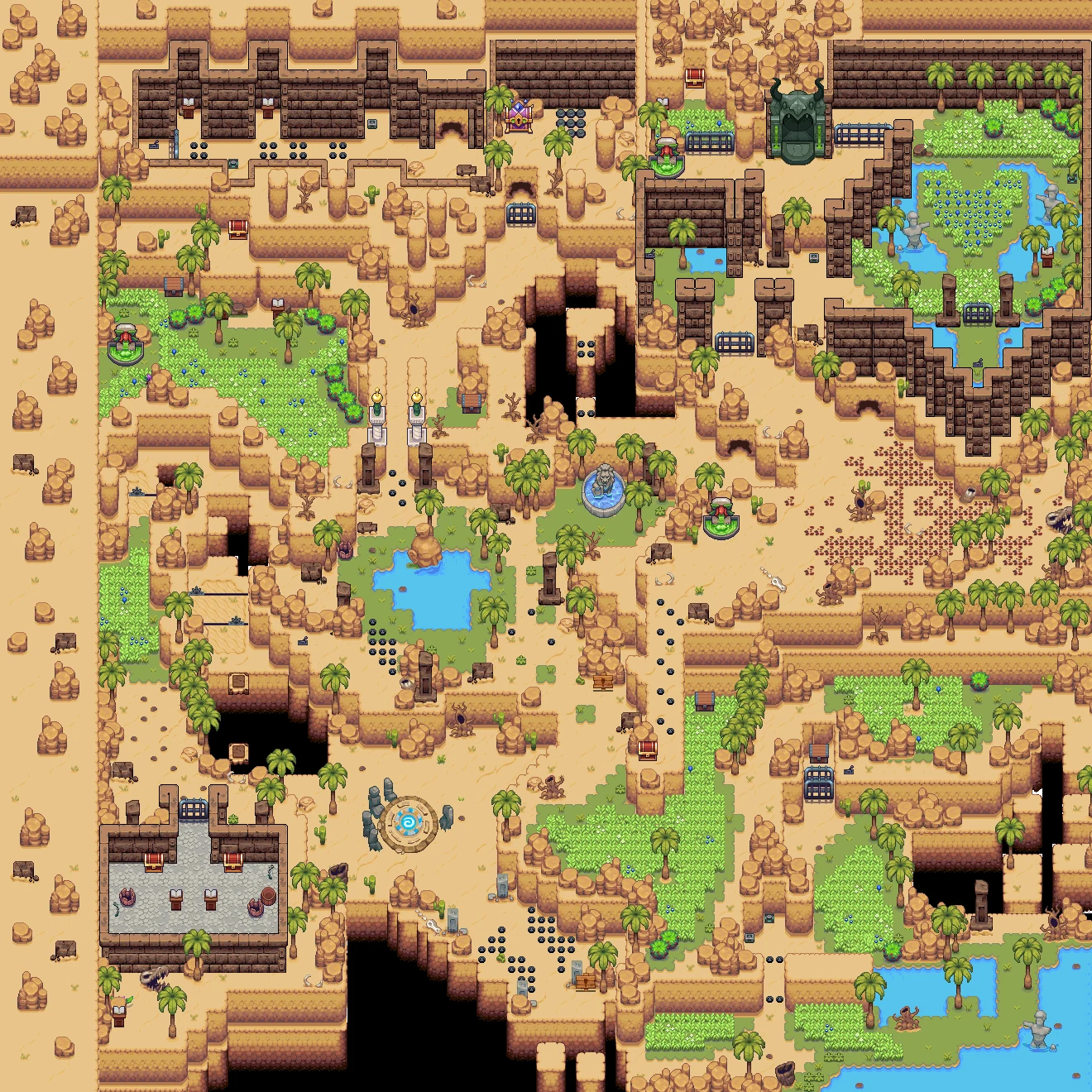 Map — Beta Layout 4
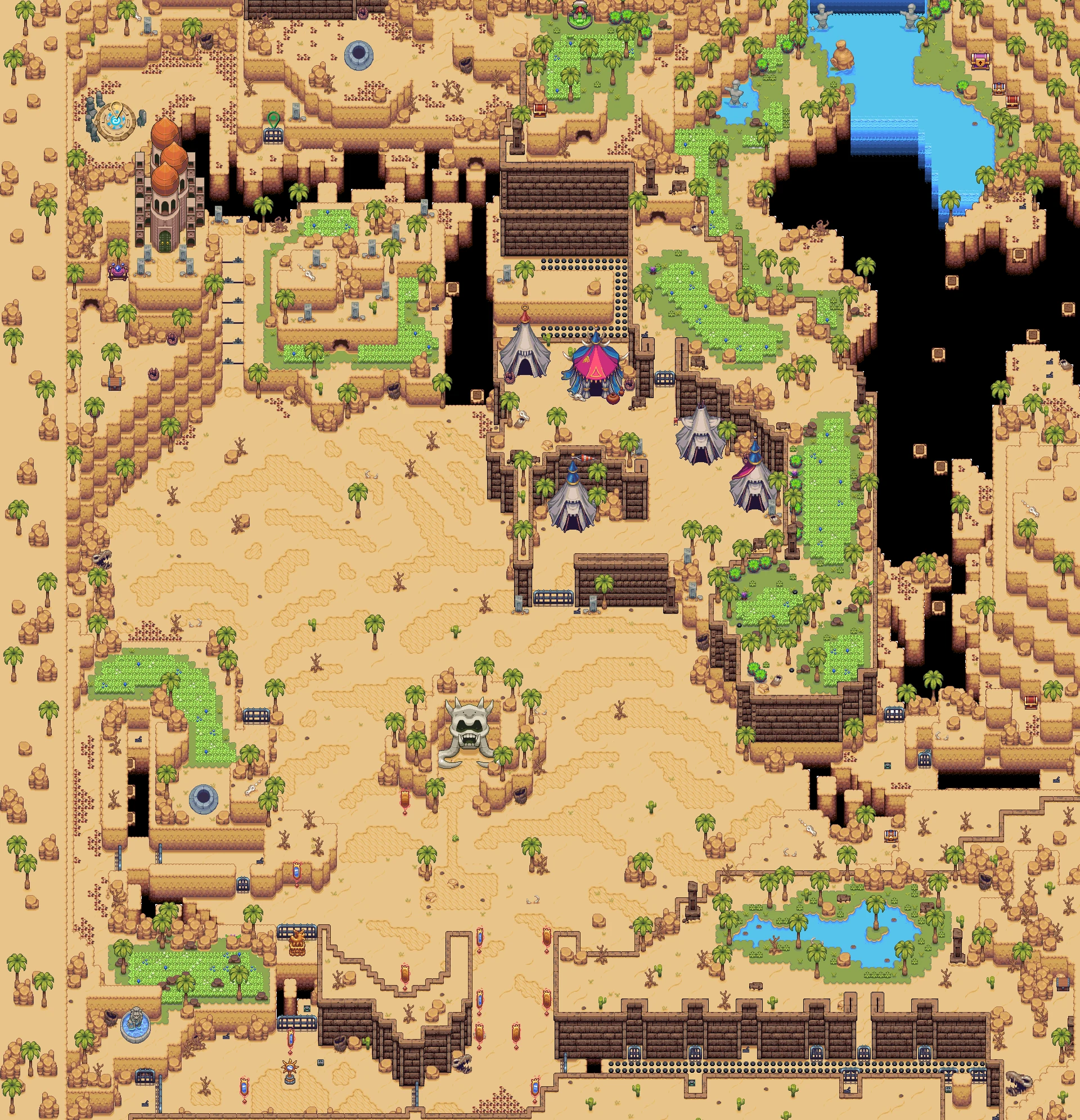 Map — Beta Layout 6
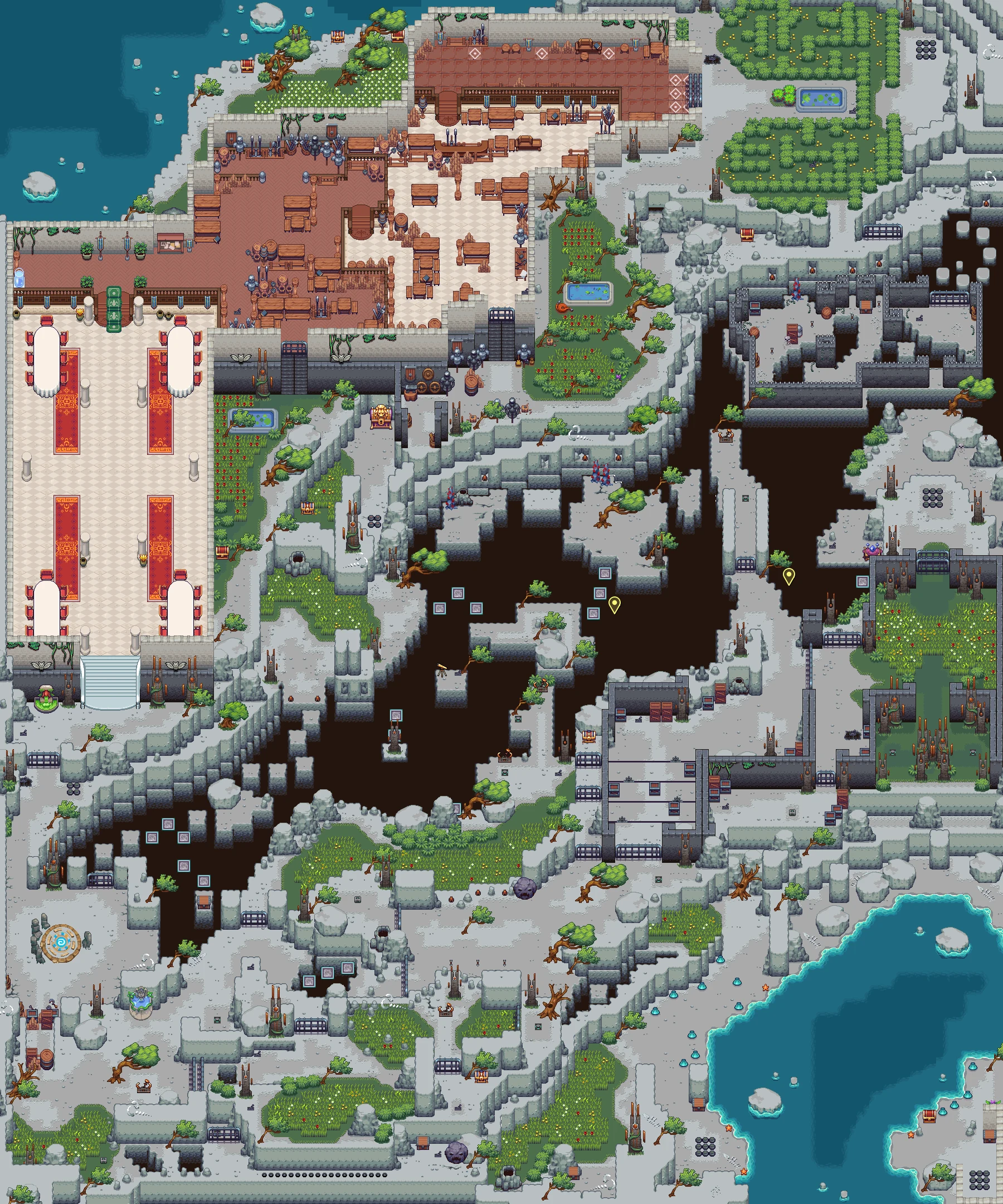 Map — Beta Layout 11
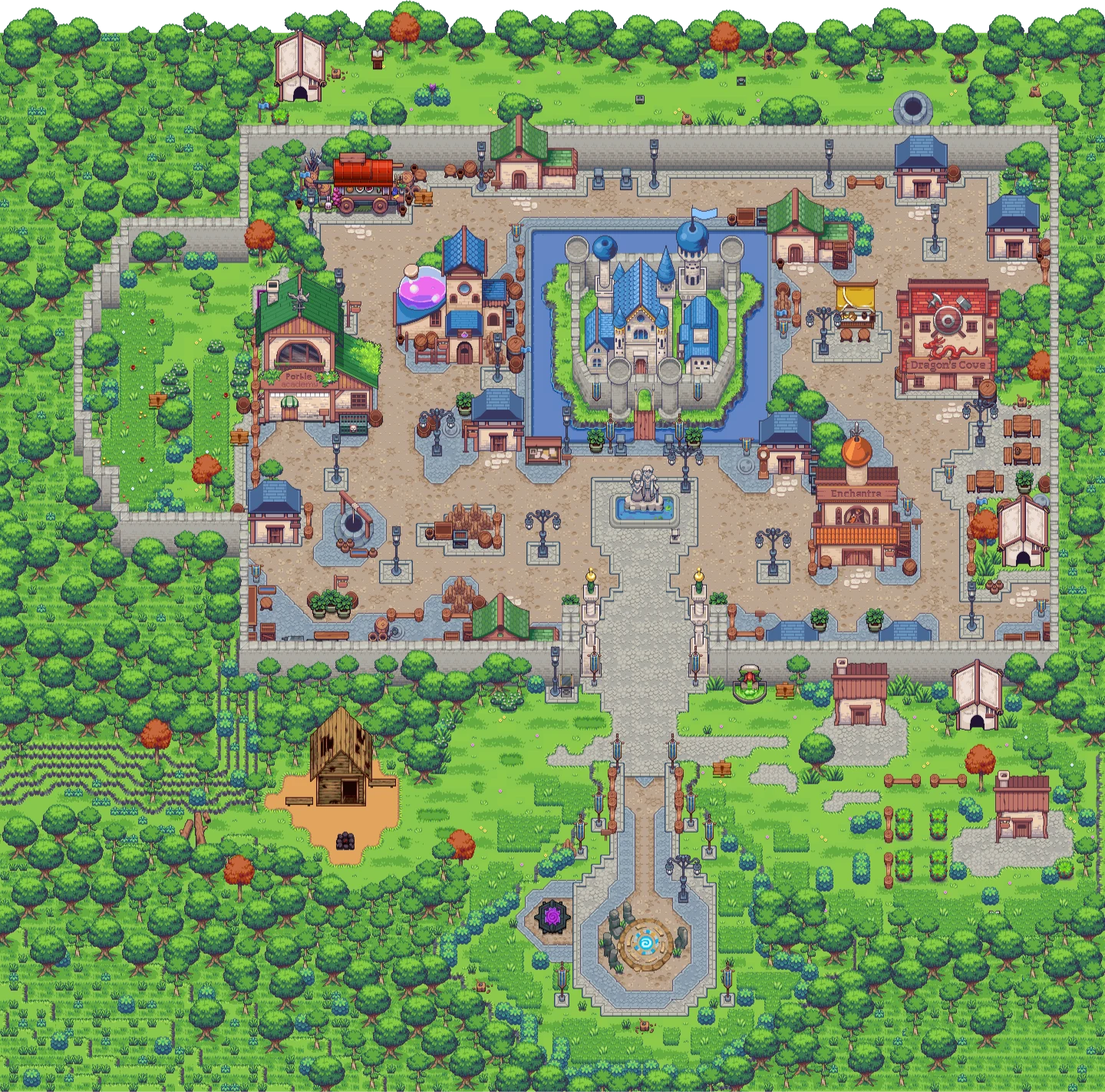 Map — Valeria
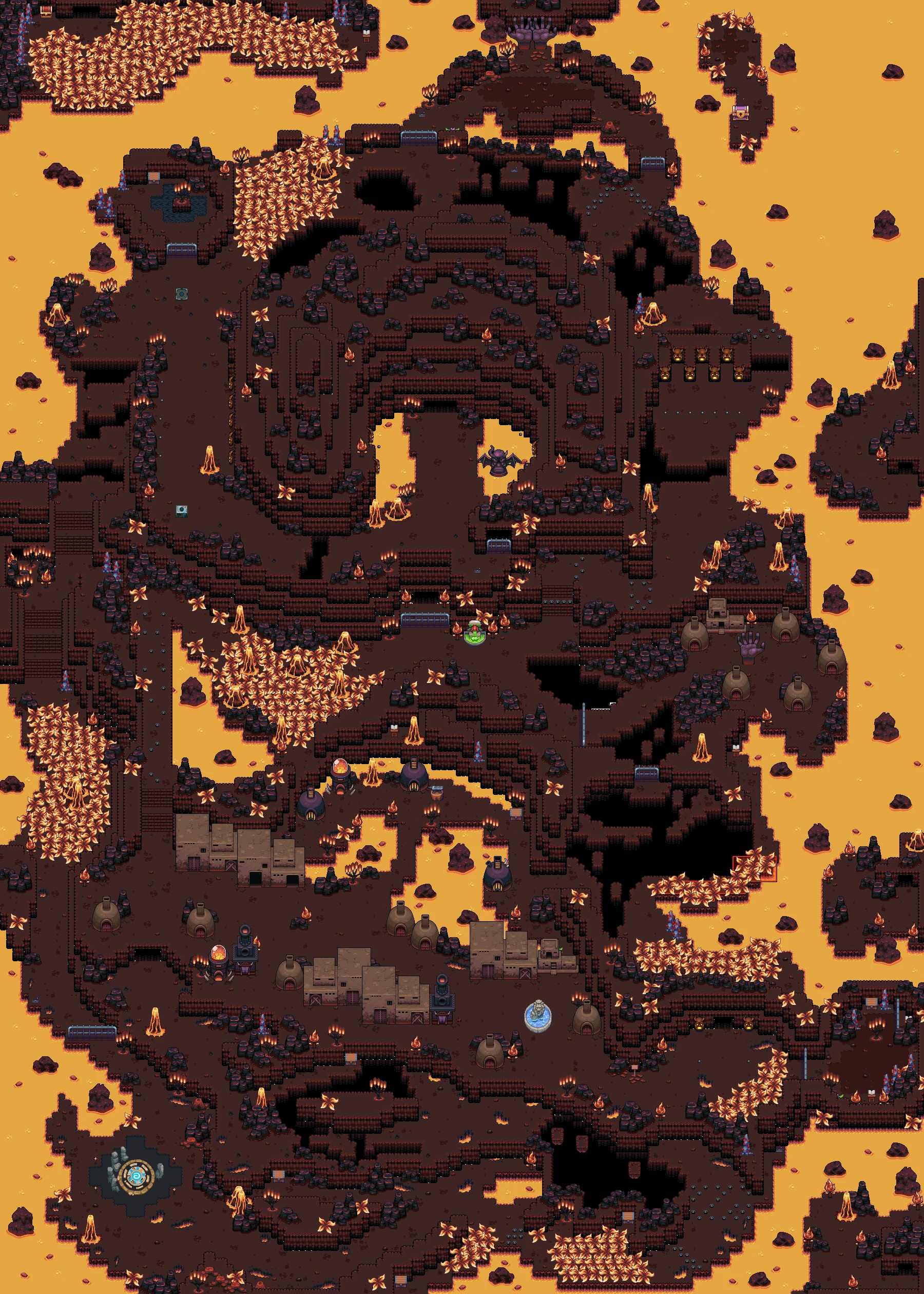 Map — Embers Valley
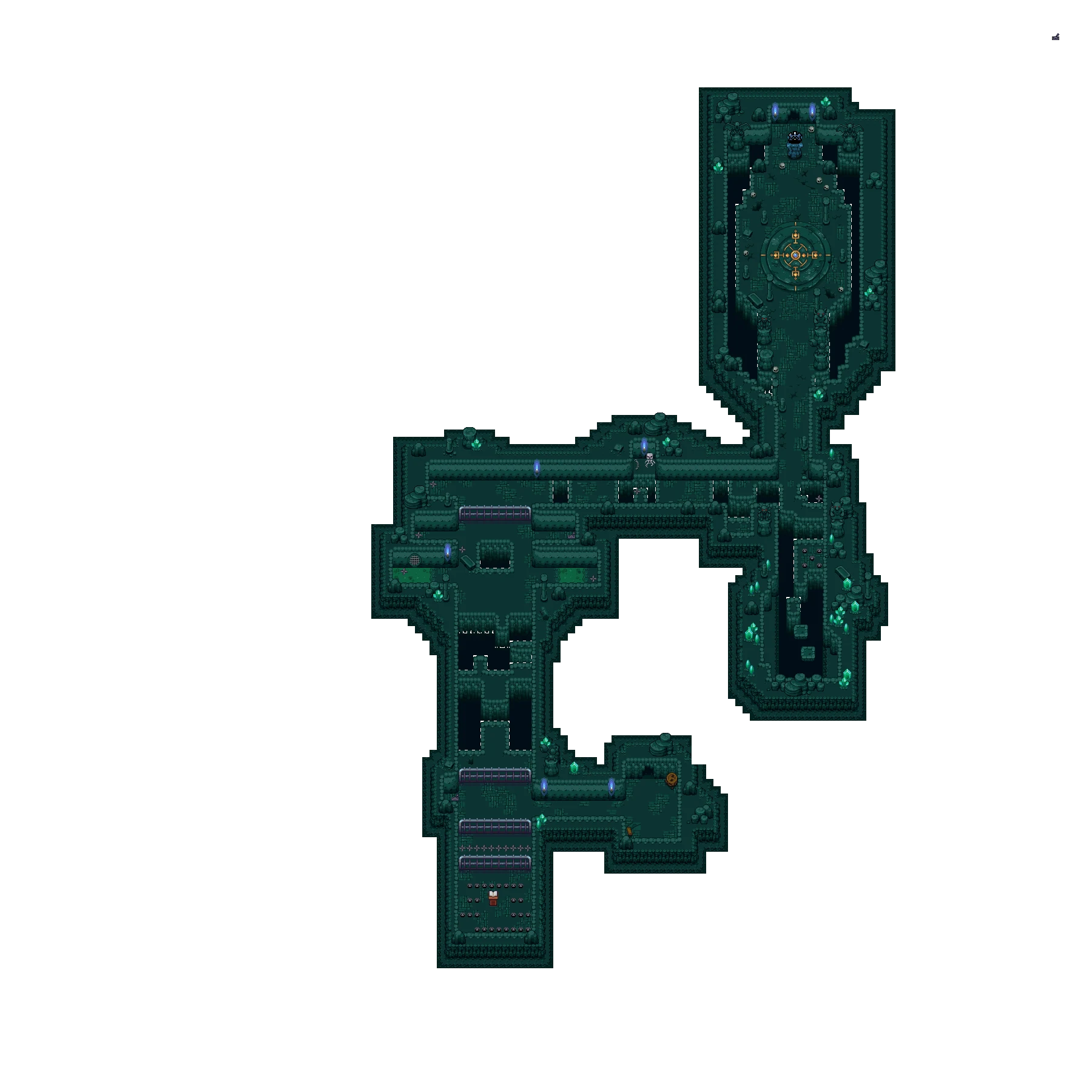 Map — Dungeon
 Tiled — Level Editor
Some signals are scheduled. This one put Portal Fantasy in front of a creator I've followed for a long time. It was a sponsored feature, but no less of a milestone for it. Seeing a game I designed levels for picked up and played on a stream of that scale lands differently when you're also a fan of the person holding the controller. Transmission received, loud and clear.