ICKUMA
Game Designer
All Projects
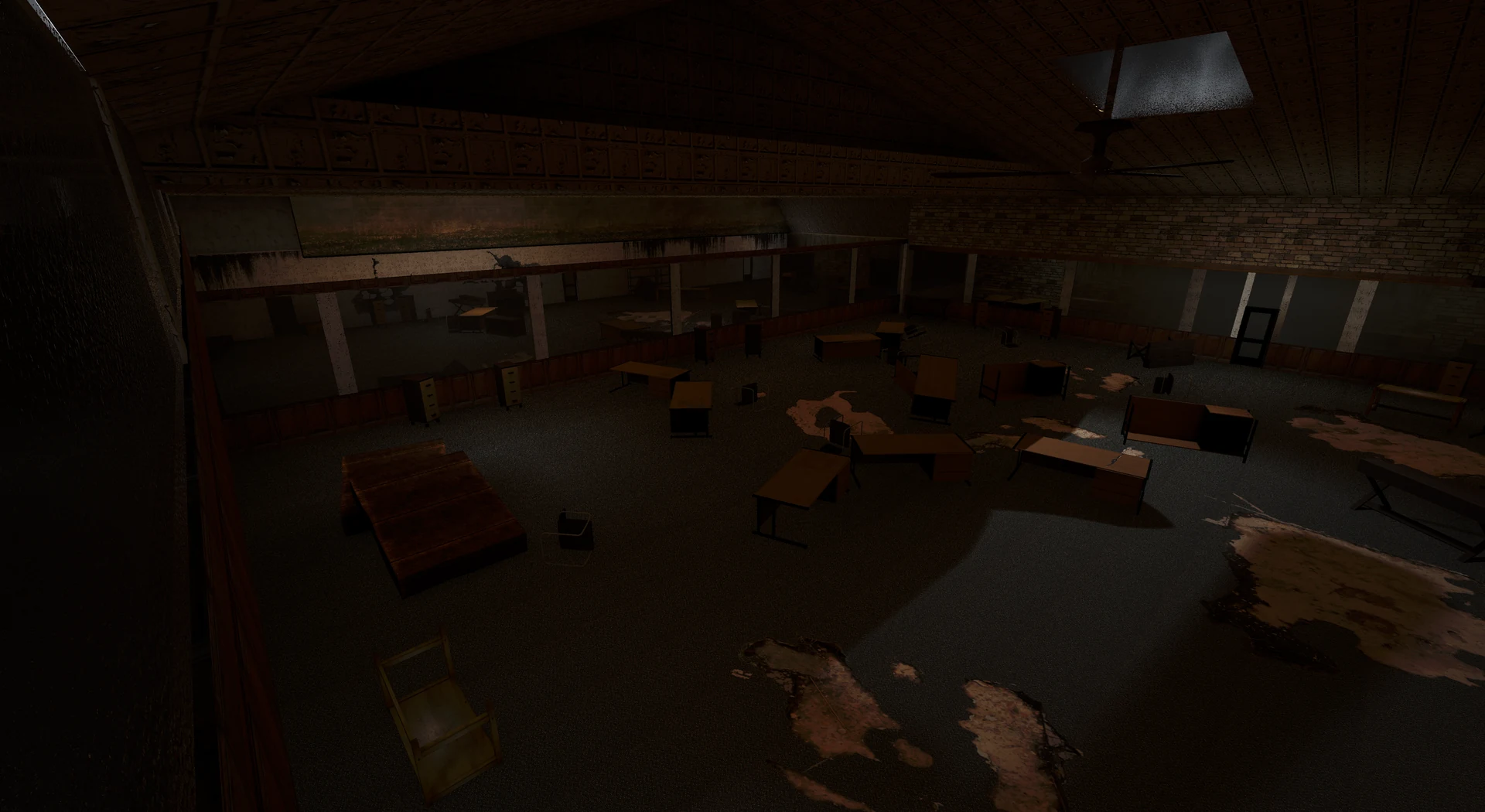
Dejected is a first-person horror game. You play as Dennis Kelly, a detective called to an abandoned train yard after reports of antisocial behaviour. There are no vandals. There are, instead, signs: scattered, partial, unnerving, suggesting something large and dangerous has made the yard its home. The investigation becomes something else entirely.
The project was built by a three-person team called Bootleg Games, using Unreal Engine early in our experience with the tool. The explicit goal was to study horror methodology: to understand what mechanics and environmental decisions produce sustained dread rather than cheap shock, and apply that research directly to a playable game.
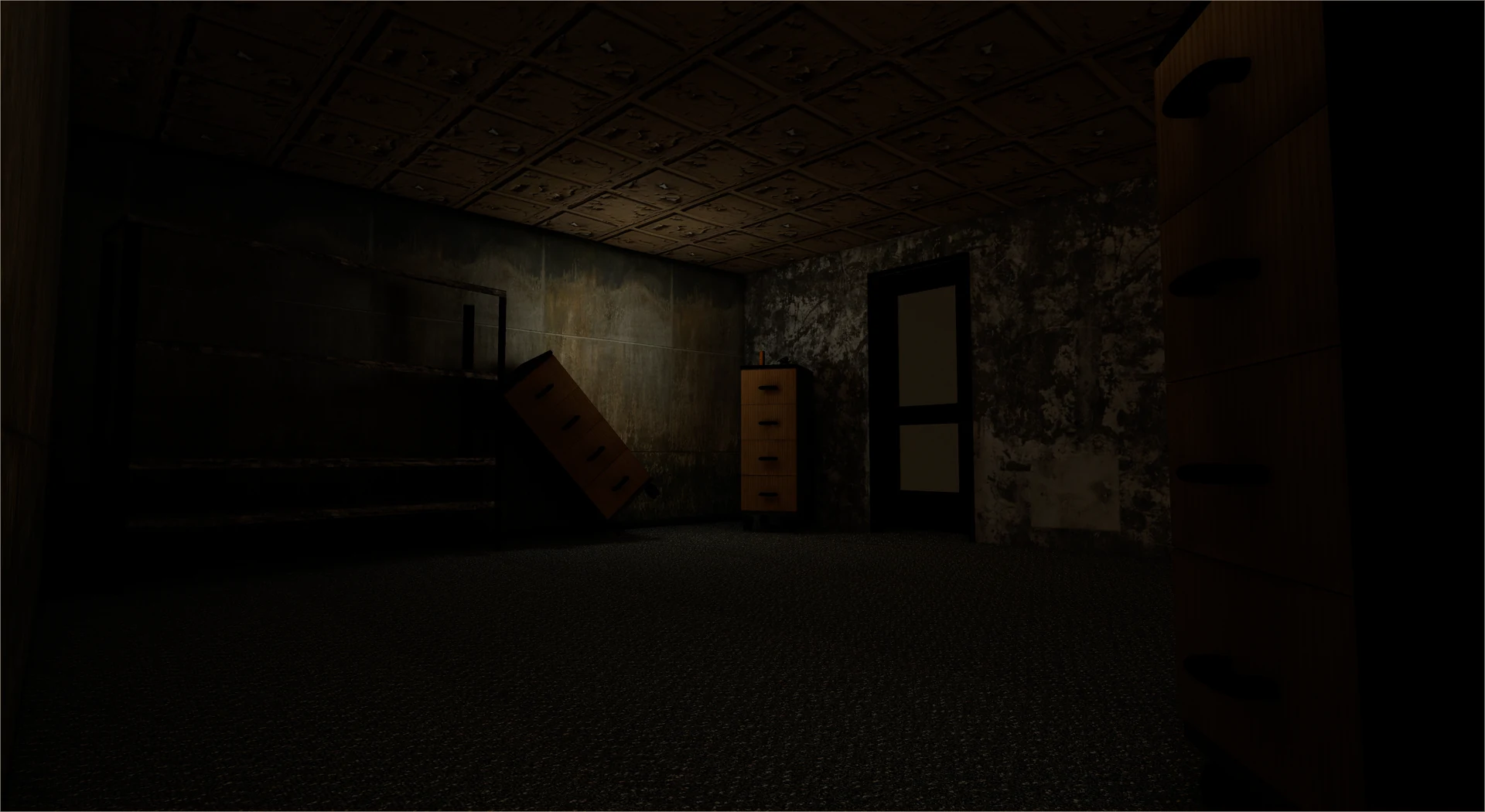
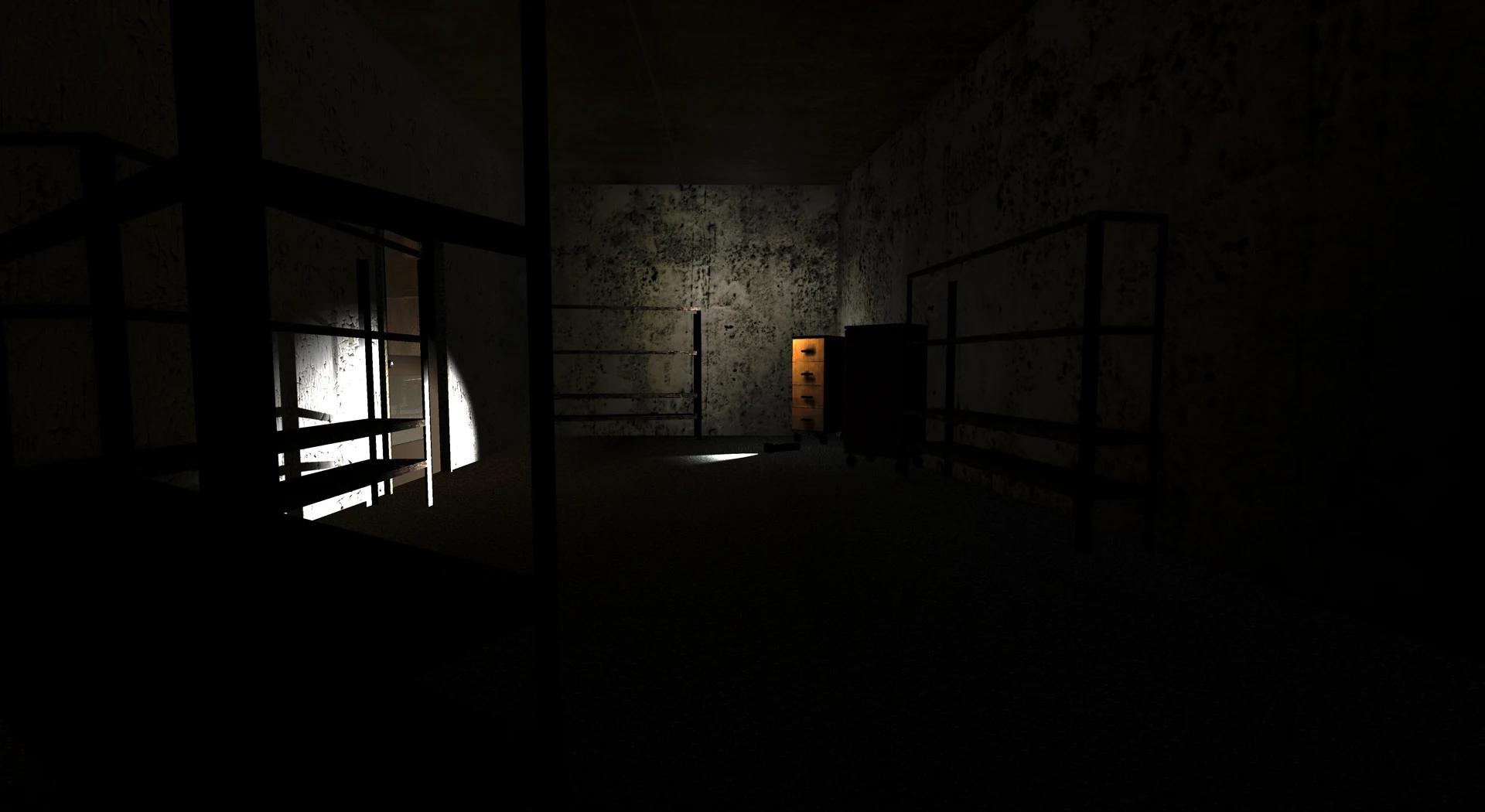
A large part of the atmosphere is geometric and spatial. Sharp angles and diagonal lines in the level architecture create unease before the player can name why. Props near windows were set to sway under a wind simulation, casting long, shifting shadows across the walls and floor. The eye reads movement in what is otherwise still. We conditioned the player into a sense of safety through environmental cues: rooms with carpets and normal furniture that read as domestic and familiar. Then we stripped that away precisely when the threat was at its closest.
The monster is introduced via a Matinee cutscene designed around partial information: fast enough that the player cannot read the detail, long enough to register shape and scale. That uncertainty is more useful than a clear reveal. Dynamic lighting and distance-attenuated audio let us build tension across physical space: sounds readable at range, arriving closer as the player moved deeper into the yard.
Looking back, the levels needed shorter scope, more variety in textures and props, and some deviation in floor height, ramps, drops and holes, to break the flatness that extended play exposes. The Matinee sequence and dynamic lighting were the strongest elements. Given another pass, I'd lean harder into both, and specifically explore having the monster's own shadow blend into the shifting prop shadows, keeping the player uncertain about what they were actually seeing until the last possible moment.